

The way we work has changed -possibly forever. Across the UAE, companies have embraced hybrid work models, blending in-office presence with flexible remote arrangements. While this shift offers undeniable benefits in terms of agility, work-life balance and talent retention, it also introduces new challenges, especially around IT infrastructure and data security.
For UAE-based SMEs and growing enterprises, success in the hybrid era hinges on one critical question: How can we enable flexibility while maintaining a secure, high-performing digital workspace?
This blog explores how your business can confidently build a secure and efficient remote workforce using technologies like VPNs, cloud solutions, Virtual Desktop Infrastructure (VDI), and modern collaboration tools.
Why Hybrid Work Is Here to Stay
Hybrid work isn’t just a short-term solution -it’s becoming a standard business model in the UAE. Here’s why:
- Employee expectations have evolved; flexibility is now a major factor in talent acquisition and retention.
- Office real estate costscan be reduced with more flexible attendance models.
- Productivity toolsand digital collaboration platforms have matured significantly, making remote work viable across industries.
But with this flexibility comes an urgent need to protect sensitive company data and maintain high levels of operational efficiency, especially with cyber threats on the rise in the UAE.
Core Technologies for a Secure Hybrid Workplace
1. VPNs (Virtual Private Networks)
A VPN encrypts data traffic and creates a secure tunnel between remote employees and your business network. This is especially important when staff work from public Wi-Fi or untrusted home networks.
Best practices:
- Use enterprise-grade VPNs, not free consumer options.
- Regularly rotate credentials and enforce multi-factor authentication.
- Monitor VPN usage to detect anomalies or unauthorized access.
2. Cloud Solutions
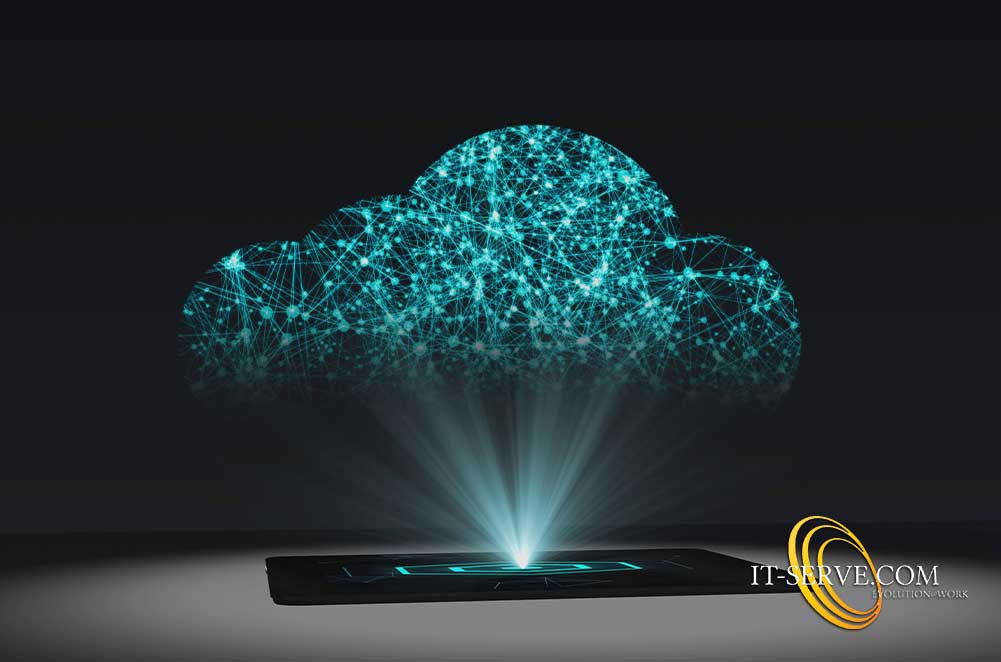
Cloud computing enables anytime-anywhere access to business-critical data and applications. Whether through platforms like Microsoft 365, Google Workspace or specialized business software, cloud adoption provides both flexibility and security when implemented correctly.
Why UAE companies are turning to the cloud (as discussed in our recent blog to The Power of Cloud Solutions: Why UAE Businesses are Moving to the Cloud)
- Cost savings by reducing physical infrastructure.
- Scalable storage and computing capacity.
- Built-in security features and compliance support.
Pro Tip: Choose cloud providers that offer regional data centers for compliance with UAE data protection regulations.
3. VDI (Virtual Desktop Infrastructure)
VDI allows employees to access a virtual desktop hosted in a secure data center, providing a consistent, secure experience no matter where they log in from. It’s ideal for companies that need to maintain control over the user environment and data access.
In our previous post, we explored how VDI enhances both efficiency and control. VDI ensures:
- Centralized security and updates
- Limited risk of data loss or leaks
- Scalability for new hires or temporary staff
VDI can be especially useful for finance, legal, healthcare, and other sectors that handle sensitive information.
4. Collaboration Tools
Whether it’s Microsoft Teams, Slack, Zoom or something else, modern tools drive communication, project tracking and knowledge sharing. But they also need to be managed carefully.
Security tip: Ensure tools are integrated with secure login systems (like Single Sign-On) and that sharing permissions are well understood by users.
Balancing Flexibility with Security: 5 Key Strategies
A successful hybrid work model goes beyond technology. It’s also about process, culture and leadership. Here’s how to strike the right balance:
1. Enforce Device Security Policies
Require that all remote employees use antivirus software, firewalls and regular updates. Where possible, issue company-owned devices configured by IT or implement Mobile Device Management (MDM) systems to control personal device access.
2. Use Multi-Factor Authentication (MFA)
MFA is a simple, powerful security measure that adds an extra layer beyond passwords. Implement it across all systems: email, file sharing, HR platforms and more.
3. Create a Clear Remote Work Policy
Define expectations around data handling, working hours, tool usage and what to do in case of a cybersecurity incident. Make this part of your onboarding and employee training programs.
4. Monitor and Audit Access
With hybrid work, it’s easy to lose track of who has access to what. Use access control logs and auditing tools to track logins, file access and potential unauthorized activity.
5. Train and Empower Your Team
Cybersecurity awareness isn’t just for IT staff. Regular training for all employees -especially on phishing, password hygiene and file sharing- can dramatically reduce your exposure to risk.
A Secure Workforce Is a Productive Workforce
Hybrid work unlocks incredible potential, but only when backed by the right strategy and tools. By investing in secure cloud platforms, remote access technologies like VDI and VPNs and educating your team, you’re setting your business up for long-term resilience and growth.
Not sure where to begin? IT-Serve.com specializes in secure remote infrastructure design, implementation and management. Whether you’re transitioning to hybrid or want to enhance your current setup, our team can guide you through every step.
Scroll down to request a callback or visit our Contact us today to speak with our experts.